Illinois Livestock Insurance Lawyer
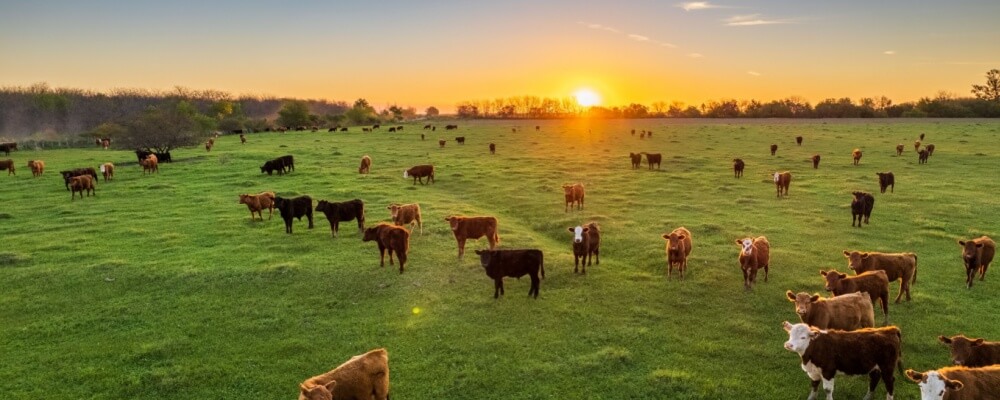
Trusted Attorney for Livestock Insurance Claims in Illinois
Agricultural producers and farmers rely on livestock as a source of income. Despite a farmer's best efforts, accidents or unavoidable disasters can lead to the loss of their animals. While insurance can help to cover these losses, insurers will sometimes unfairly deny claims or try to limit the total payout. To protect yourself against these tactics, consider working with an Illinois livestock insurance lawyer who can review your policy and advocate for your rights.
John D. Tallman, PLC, Attorney at Law has received many awards for outstanding client service and strong representation, including Lead Counsel Verification and recognition as an Elite Lawyer. Our firm will work hard to help you recover payment, keeping your best interests at heart from the very beginning.
Understanding What Livestock Insurance Covers in Illinois
Livestock insurance is designed to protect farmers and ranchers from the financial devastation that can follow the loss of animals central to their operations. Policies can cover death caused by disease, injury, fire, severe weather, theft, or transportation accidents, depending on the terms of the specific policy.
Some policies extend coverage to include loss of income when livestock cannot be sold or bred due to illness or injury. Coverage can also address veterinary expenses, emergency care, and, in some cases, the cost of replacing animals that die under insured circumstances.
Illinois farmers rely on livestock for their livelihood, and a single unexpected loss can threaten an entire operation. Insurance policies are meant to provide a safety net, but the language within these policies can be dense and filled with exclusions that are not always clear to a policyholder. Understanding what a policy actually covers, and what it does not, is essential before a claim is ever filed. We help clients review their coverage and pursue the compensation they are entitled to receive under their policy terms.
Reasons for Denied Livestock Insurance Claims
Insurance companies deny livestock claims for a variety of reasons, and not all of them are legitimate. A denial may be based on the argument that the cause of death or injury falls outside the scope of the policy, such as a claim that an animal died from a pre-existing condition rather than a covered event. Insurers may also argue that a farmer failed to follow required care standards, missed a reporting deadline, or did not maintain proper documentation of the animals and their condition.
Other denials stem from disputes over valuation, where an insurer offers far less than the animals were actually worth. In some cases, insurers rely on vague policy language to justify a denial that does not reflect the true circumstances of the loss. Farmers should not assume that a denial is final. Many denials can be challenged with the right evidence and legal support.
Navigating Disputes With Livestock Insurers
Disputing a denied or undervalued livestock claim requires careful preparation. Veterinary records, necropsy reports, photographs, weather data, and financial records concerning the value of the herd can serve as documentation for a strong case. Insurers often have teams dedicated to minimizing payouts, and a farmer without legal representation can be at a disadvantage when negotiating alone.
An attorney can review the policy language, gather supporting evidence, and communicate directly with the insurance company on the farmer's behalf. If a fair resolution cannot be reached through negotiation, going to court may become necessary to hold the insurer accountable for the terms of the policy. Litigation can be time consuming, but sometimes it is needed to recover what is actually owed under a policy.
Meet With an Illinois Livestock Insurance Lawyer
For more information about how we can help with insurance disputes and denied claims, reach out to John D. Tallman, PLC, Attorney at Law today. Contact our Illinois livestock insurance attorney or call 616-361-8850 to set up a free consultation.



 The use of the Internet or this form for communication with the firm or any individual member of the firm does not establish an attorney-client relationship. Confidential or time-sensitive information should not be sent through this form.