Nebraska Livestock Insurance Lawyer
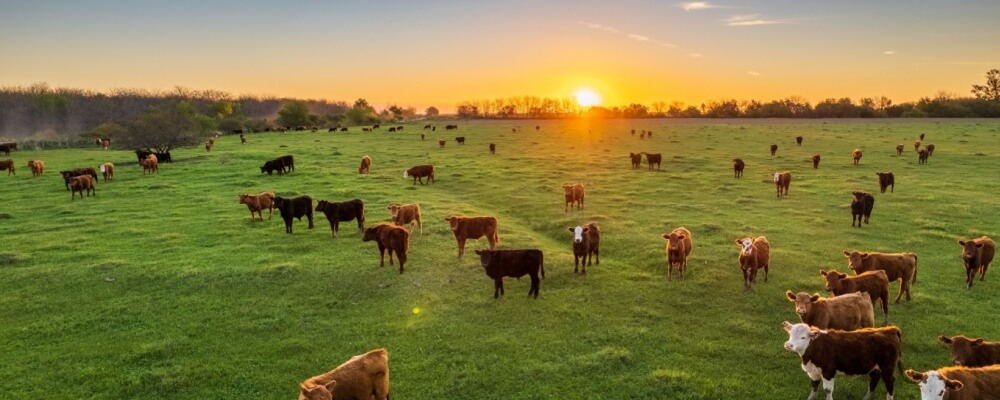
Experienced Livestock Insurance Attorney for Ranchers in Nebraska
A threat to a farmer's livestock, whether in the form of a crippling injury, illness, or death, is often a threat to their income. Livestock insurance can provide financial security in the face of unexpected losses, but insurers are not always willing to pay the fair value of a claim. If you need help navigating a dispute or fighting a denied claim, contact a Nebraska livestock insurance attorney today.
John D. Tallman, PLC, Attorney at Law is here to provide you with devoted representation from the beginning of your case to the end. Our attorney has decades of experience, which has given him deep insights into insurance disputes.
How Soon Should You File a Livestock Insurance Claim?
Most policies require a farmer or rancher to report a loss within a specific number of days after the animal dies, is injured, or is stolen. Waiting too long can give the insurance company a reason to deny the claim entirely, even if the loss was clearly covered under the policy. Nebraska farmers should notify their insurer as soon as possible after discovering a loss, and they should follow up that notice with any written documentation the policy requires.
Delays can also make it harder to prove what actually happened. The sooner a claim is filed, the easier it becomes to gather accurate records and preserve proof of the circumstances surrounding the loss. We encourage clients to reach out promptly after a loss so that we can help guide the claims process from the beginning, rather than stepping in after problems have already developed.
What Kind of Evidence Can Support a Livestock Insurance Claim?
Coming prepared with proof is important for demonstrating the extent of your losses. Veterinary records showing the cause of death or injury are often central to a claim, along with necropsy reports when available. Photographs of the animal, the surrounding property, and any relevant conditions, such as flooding, fire damage, or storm debris, can help establish what occurred.
Financial records showing the value of the animal, including purchase records, breeding history, and sale prices for comparable livestock, can support an accurate valuation. Weather reports, herd inventories, and communication with the insurance company should also be kept organized and easily accessible. Farmers who maintain thorough, consistent records place themselves in a stronger position when it comes time to negotiate a fair settlement.
What Happens if a Livestock Insurance Claim Is Denied in Nebraska?
A denial does not necessarily mean that your claim is over. Insurance companies deny livestock claims for many reasons, some justified and others not. A denial may be based on a claim that the loss resulted from a pre-existing condition, improper care, or a cause of death excluded under the policy. In other cases, an insurer may argue that the farmer missed a filing deadline or failed to provide sufficient documentation.
Farmers have the right to challenge a denial. This often begins with a formal appeal to the insurance company, supported by additional evidence or a more detailed explanation of the loss. If the insurer still refuses to pay what is owed, filing a lawsuit may be the next step. Courts can review whether the denial was consistent with the terms of the policy and whether the insurer acted in good faith when handling the claim. Our firm is ready to represent you in court and fight for the payment that you deserve.
Contact a Nebraska Livestock Insurance Attorney Today
Losing livestock can threaten the stability of a farm. John D. Tallman, PLC, Attorney at Law is here to look out for your best interests when the worst comes to pass. Contact our Nebraska livestock insurance lawyer or call 616-361-8850 to arrange your free consultation with our firm.



 The use of the Internet or this form for communication with the firm or any individual member of the firm does not establish an attorney-client relationship. Confidential or time-sensitive information should not be sent through this form.