Illinois Crop Insurance Lawyer
Trusted Crop Insurance Attorney Representing Clients in Illinois
Crop insurance is supposed to help cover farmers in case something threatens their crop yields or ongoing revenue. However, actually obtaining the coverage provided by the policy can be an uphill battle at times, as insurers may unfairly deny claims. If you need help seeking payment for your losses, reach out to our Illinois crop insurance attorney today.
John D. Tallman, PLC, Attorney at Law has over 45 years of experience, and across his career, he has learned how to navigate insurance claims and how to approach disputes over compensation. When you work with our firm, you can rest assured that your case will be handled by the same attorney from start to finish, rather than passed around from associate to associate.
What Does Crop Insurance Protect Against in Illinois?
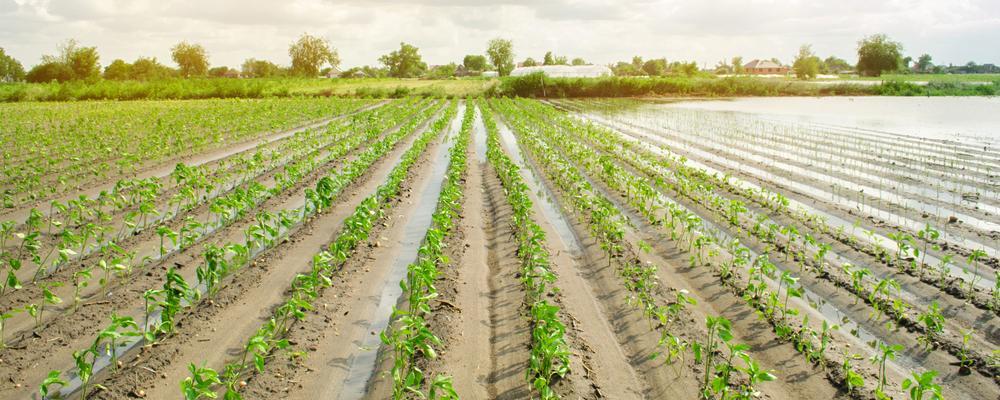
Crop insurance exists to protect farmers from the financial fallout of forces largely outside their control. In Illinois, multi-peril crop insurance is one of the most common types of coverage, protecting against losses caused by drought, flooding, hail, disease, insect infestation, and other natural events that can devastate a harvest. Rather than covering a single type of risk, multi-peril policies are designed to address a broad range of causes that can reduce crop yield below expected levels.
Many policies also account for price changes that occur between planting and harvest. Revenue protection coverage, for example, can pay out if the market price of a crop drops significantly by the time it is ready for sale, even if the yield itself was not affected by weather or disease.
This type of coverage recognizes that a farmer's financial stability depends not only on how much is harvested, but also on what that harvest is actually worth once it reaches the market. Understanding the specific type of policy a farmer holds, and the perils it covers, is an important first step before a claim is ever filed. At John D. Tallman, PLC, Attorney at Law, we help clients review their policies so they know exactly what protections they are entitled to rely on.
Why Do Companies Dispute Crop Insurance Claims?
Insurance companies dispute crop insurance claims for a number of reasons. A company may argue that a loss resulted from poor farming practices rather than a covered peril, pointing to planting dates, soil management, or pest control as the true cause of reduced yield. Insurers may also dispute the extent of the damage, offering a lower payout than what the farmer believes is owed based on actual yield loss.
Disagreements over valuation are common as well, particularly when it comes to calculating expected yield or the market price used to determine revenue loss. Some insurers rely on incomplete data or narrow interpretations of policy language to justify reducing or denying a claim. Farmers should not assume that an insurer's first offer, or first denial, reflects the true value of their loss.
Seeking Compensation in a Crop Insurance Claim
When a dispute arises, many crop insurance policies require mediation or arbitration before a lawsuit can be filed. Mediation involves a neutral third party who helps facilitate a resolution between the farmer and the insurance company, though the mediator does not have authority to force a settlement. Arbitration, by contrast, results in a binding decision made by an arbitrator after both sides present their evidence.
These processes can move more quickly than traditional litigation, but they still require careful preparation. Yield records, weather data, soil reports, and communication with the insurance company can all support a farmer's position during mediation or arbitration. An attorney can help present this evidence effectively and advocate for a resolution that reflects the true value of the loss, whether the case is resolved through negotiation, arbitration, or, when necessary, a lawsuit in court.
Contact an Illinois Crop Insurance Attorney
A denied or undervalued crop insurance claim can threaten a farming operation built over years of hard work. Contact our Illinois crop insurance attorney or call 616-361-8850 to arrange a free consultation with John D. Tallman, PLC, Attorney at Law.



 The use of the Internet or this form for communication with the firm or any individual member of the firm does not establish an attorney-client relationship. Confidential or time-sensitive information should not be sent through this form.