Kentucky Crop Insurance Lawyer
Skilled Crop Insurance Attorney Representing Agricultural Producers in Kentucky
For a farmer, the outcome of a harvest can make the difference between financial stability and uncertainty. When factors outside of a farmer's control lead to lost crops, an insurance policy can help to make up for the difference, but only if the insurance company is willing to negotiate in good faith. If your claim has been unfairly denied or lowballed, contact a Kentucky crop insurance attorney who can help you seek payment.
John D. Tallman, PLC, Attorney at Law represents agricultural producers who need help getting the most out of their crop insurance claims. Backed by decades of experience, farmers trust our firm to handle their claims with care.
What Is Covered Under Multi-Peril Crop Insurance in Kentucky?
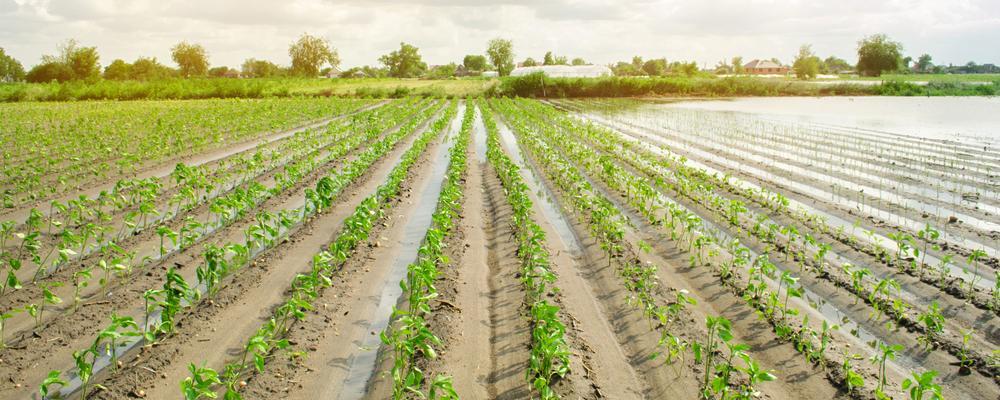
Kentucky farmers face a wide range of risks each growing season, from unpredictable weather to disease that can spread quickly through a field. Multi-peril crop insurance is designed to address these possibilities by bundling protection against several different causes of loss into one policy, rather than requiring separate coverage for each individual risk. This type of policy commonly protects against drought, excessive rainfall, flooding, hail, wind damage, and disease or insect infestation.
Some multi-peril policies extend further, addressing situations where poor weather prevents planting altogether within the required timeframe, or covering the added cost of replanting when a crop is damaged early in the season. Revenue-based coverage can also come into play when market prices drop significantly between planting and harvest, protecting against financial loss even when the yield itself was not directly affected.
What Kind of Documentation Can Support a Crop Insurance Claim?
The strength of a crop insurance claim often comes down to the quality of the documentation behind it. Photographs showing the extent of the damage, whether from flooding, hail, or disease, can help establish what happened and when. Weather reports tied to the date of the loss add further support, particularly when an insurer questions whether a specific event actually caused the damage.
Planting and harvest records, along with yield history from previous seasons, can help demonstrate what a farmer's crop would have produced under normal conditions. Any correspondence with the insurance company should also be kept organized and complete, since gaps in communication can sometimes be used against a farmer later in the process. Farmers who gather this information early, rather than waiting until an insurer requests it, are in a much stronger position when the claim is submitted.
Arbitration, Mediation, and Litigation for Crop Insurance Claims in Kentucky
When a crop insurance claim cannot be resolved through direct negotiation, many policies require mediation or arbitration before a lawsuit can move forward. Mediation involves a neutral third party who helps facilitate a resolution, though the mediator cannot issue a judgment. Arbitration is more formal, with an arbitrator accepting evidence from both parties and issuing a legally binding decision.
When these processes fail to produce a fair result, or when an insurer refuses to honor an arbitration decision, filing a lawsuit may become the only remaining option. Litigation can take longer than arbitration or mediation, but it also allows farmers to hold an insurance company fully accountable through the court system. A crop insurance lawyer can help determine which path makes the most sense for a given claim and can build a strong case grounded in thorough documentation.
Reach Out to a Kentucky Crop Insurance Attorney
Crop insurance is meant to provide real protection, but not all insurance companies are willing to provide a fair offer from the start. Contact our Kentucky crop insurance lawyer or call 616-361-8850 to arrange a free initial consultation with John D. Tallman, PLC, Attorney at Law and go over your claim in more detail.



 The use of the Internet or this form for communication with the firm or any individual member of the firm does not establish an attorney-client relationship. Confidential or time-sensitive information should not be sent through this form.